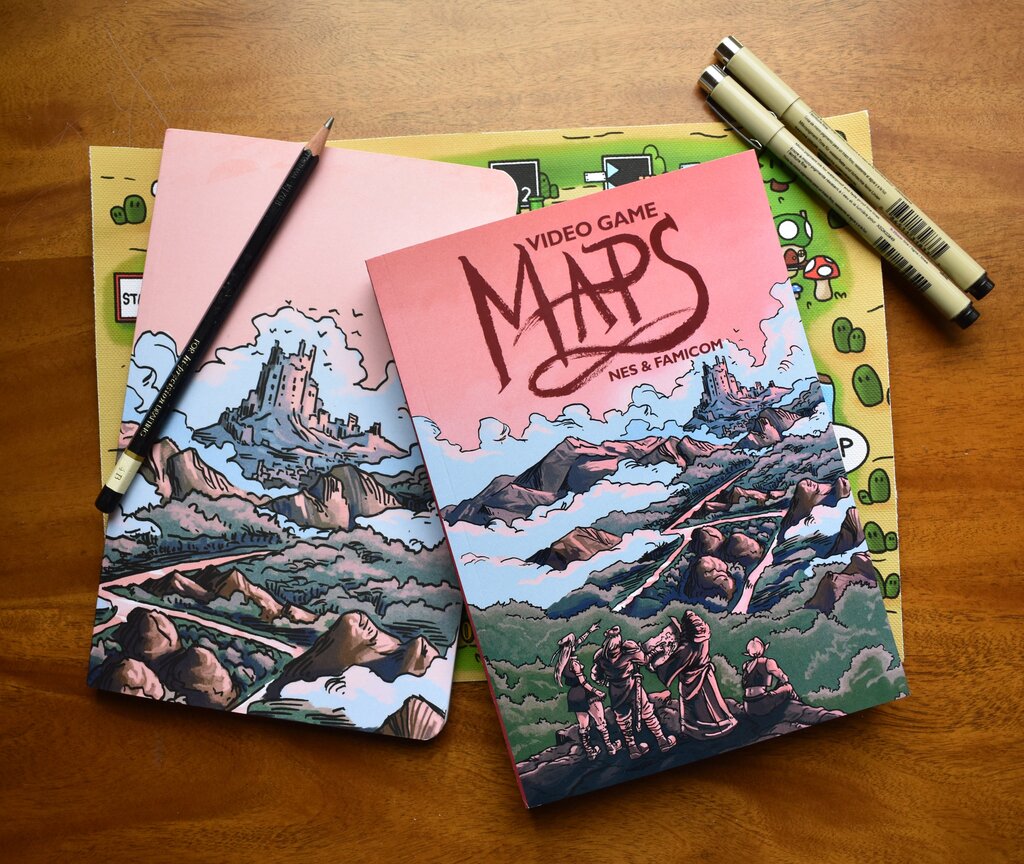
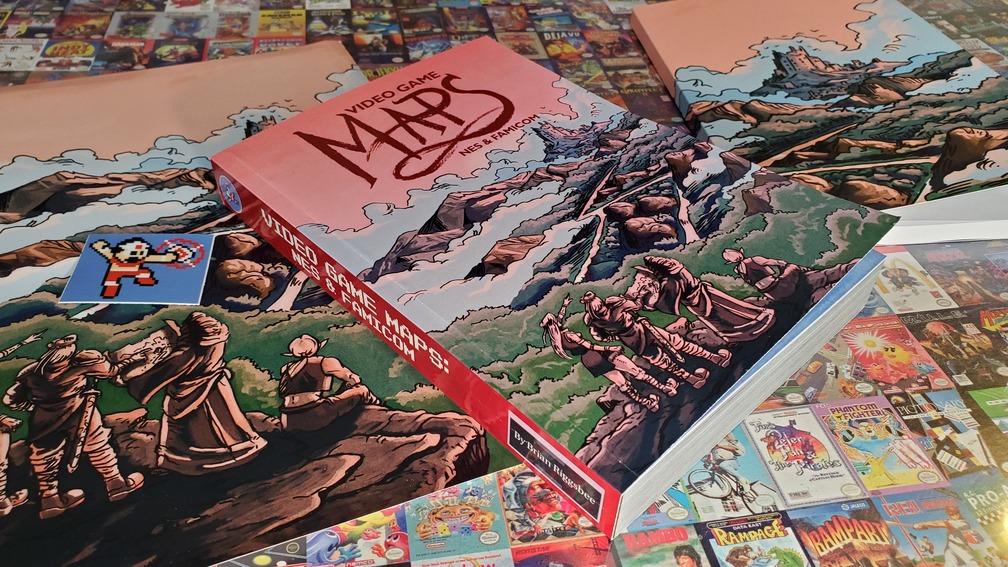
Nel mondo del retrogaming, ogni pixel racconta una storia. Ma pochi sono riusciti a catturare questa magia come Brian Riggsbee, autore del progetto Video Game Maps. Con i suoi libri, Brian celebra la bellezza nascosta delle mappe digitali, trasformandole in vere e proprie opere d’arte da esplorare. Oggi abbiamo il piacere di parlare con lui del suo percorso, del suo processo creativo e della passione che alimenta il suo lavoro.
Partiamo dall’inizio: com’è nato il tuo amore per i giochi retro e per le mappe? C’è stato un momento specifico che ti ha ispirato ad avviare questo progetto?
Il mio primo contatto con i videogiochi è stato nelle sale giochi e con le console domestiche Atari, avevo circa quattro o cinque anni. Ero incuriosito, ma non ancora conquistato. Il vero punto di svolta è stato l’arrivo del NES. Non dimenticherò mai la prima volta che giocai a Super Mario Bros. e, a seguire, titoli come Mega Man 2, Castlevania, Rygar, Bionic Commando e Dragon Warrior, giochi a cui torno ancora oggi.
Per quanto riguarda le mappe, The Legend of Zelda è stato il primo gioco incentrato sulle mappe che mi ha davvero colpito. Includeva una mappa pieghevole parzialmente compilata, con abbastanza dettagli per affrontare i primi livelli. La mappa in-game, invece, era solo un rettangolo grigio, privo di dettagli, con un pixel colorato per rappresentare il personaggio. Ricordo che una volta, io e un amico, segnammo direttamente sullo schermo CRT con un pennarello i punti d’interesse… una tecnica tutt’altro che ottimale, visto che il punto segnato cambiava a seconda dell’angolazione da cui lo guardavi.
Esperienza simile con Metroid: io e il mio vicino di casa ci passavamo il controller a turno. Chi non giocava disegnava la mappa e prendeva appunti, così da avere entrambi un ruolo attivo.
Disegnare le mappe a mano è una gioia particolare, quasi una forma d’arte perduta. Per quanto apprezzi la comodità del mapping automatico nei giochi moderni, mi manca sedermi con carta millimetrata, un amico al mio fianco, cercando di decifrare insieme un mondo complicato e misterioso. Recentemente ho giocato a un titolo NES moderno, Full Quiet, e ho disegnato la mappa a mano — è stato divertentissimo!
Quanto all’ispirazione per questi progetti, è nata dal desiderio di tornare a creare qualcosa legato ai videogiochi. Per anni ho fatto il game developer e mi mancava lavorare in quel mondo. Ma invece di tornarci direttamente, ho deciso di lanciarmi in una nuova sfida, e così ho scritto The Complete History of Rygar.
I tuoi libri mostrano un’attenzione incredibile al dettaglio. Come approcci il processo di creazione delle mappe? Parti da immagini esistenti, gameplay, materiali promozionali d’epoca?
Per la serie Video Game Maps tutto parte dalla ricerca. Anche se mi piacerebbe includere tutti i giochi più amati, alcuni hanno poche o nessuna mappa, il che li rende poco adatti alla serie. Le immagini provengono da riviste internazionali, manuali d’istruzioni, poster, pubblicità, guide, artisti moderni e altro ancora.
Gli altri libri sono gestiti in modo diverso, dato che spaziano dalla storia al puro intrattenimento. Per esempio, The Complete History of Rygar è un’opera storica presentata con un’estetica da rivista anni ’80/’90. NES Achievements è un libro divertente che invita a rigiocare i titoli NES sfidandosi con obiettivi particolari. E The Retro Gaming Coloring Book… beh, è un libro da colorare.
Lavorare con giochi vintage dev’essere pieno di sfide. Qual è stato il gioco o la mappa più difficile da ricostruire, e perché?
Ci sono materiali rari difficili da reperire, o molto costosi. Per fortuna esistono archivisti — come Melora di History of Hyrule — con cui ho collaborato per rafforzare certe sezioni dei miei libri.
Quanto alla ricostruzione, a volte preferisco lasciare le immagini danneggiate (bordi strappati, annotazioni a penna) perché aggiungono atmosfera. Altre volte, invece, passo ore a restaurarle e ripulirle con attenzione maniacale.
Nei tuoi progetti si percepisce anche un grande rispetto per la storia dei videogiochi. Come scegli quali titoli includere? Ti basi sul gusto personale, sulla rilevanza storica o su altro?
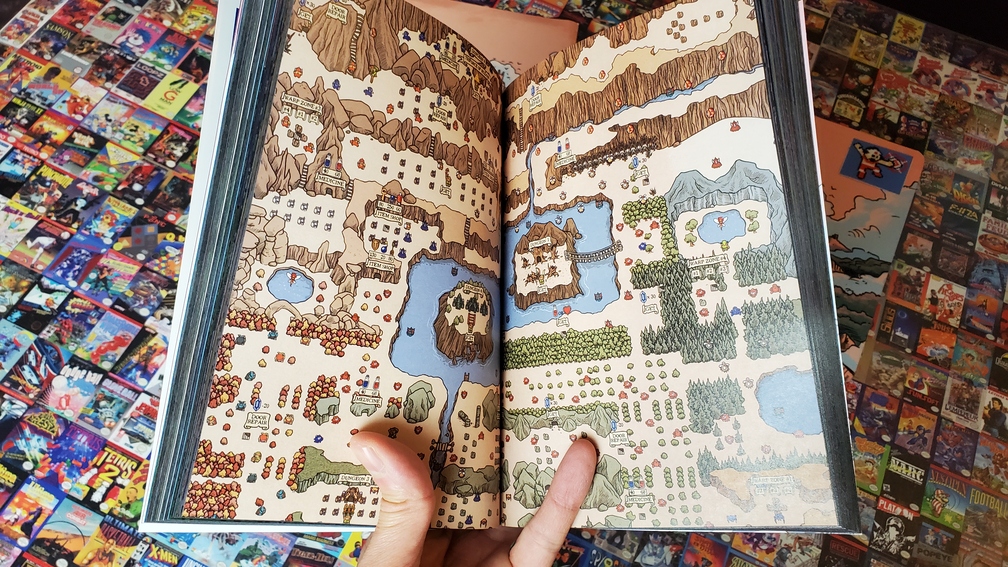
Per Video Game Maps voglio un mix equilibrato tra titoli popolari, rarità ed esclusive giapponesi. Quelli che mi entusiasmano di più sono i giochi con mappe pieghevoli da poster e le illustrazioni disegnate a mano, come quelle delle guide strategiche giapponesi.
Per gli altri libri che ho creato o prodotto, punto su argomenti ancora poco esplorati. The Complete History of Rygar, ad esempio, copre tutta la serie di Rygar — un franchise di nicchia mai trattato in profondità. Pixel Art: Metroid invece prende una serie celebre ma con un taglio unico: pixel art di 125 artisti moderni, interviste, tutorial e articoli.
Per ogni libro che progetto o approvo, mi assicuro che rispetti due criteri:
- deve essere qualcosa che vorrei mettere sulla mia libreria personale;
- deve trattare un argomento ancora non completamente esplorato.
Spesso si sottovaluta quanto il design delle mappe influenzi l’esperienza del giocatore. Secondo te, cosa rende davvero memorabile una mappa di gioco?
Le mappe nei videogiochi sono tante cose: strumenti, costruttori di mondi, estensioni narrative, svelatrici di segreti, simboli di scala e anticipazione. A livello basilare servono a orientarsi e a monitorare i progressi. Ma su un piano più profondo trasmettono stupore (“Davvero devo salire fino in cima a quella montagna?!”) e si integrano con la narrazione (“Il Mondo della Luce e quello dell’Ombra sono collegati!”).
Le mappe più memorabili, per me, sono quelle che combinano tutti questi aspetti. Ad esempio, i due mondi in The Legend of Zelda: A Link to the Past rappresentano una delle forme artistiche più belle della storia del gaming, e al tempo stesso sono parte integrante della meccanica di gioco.
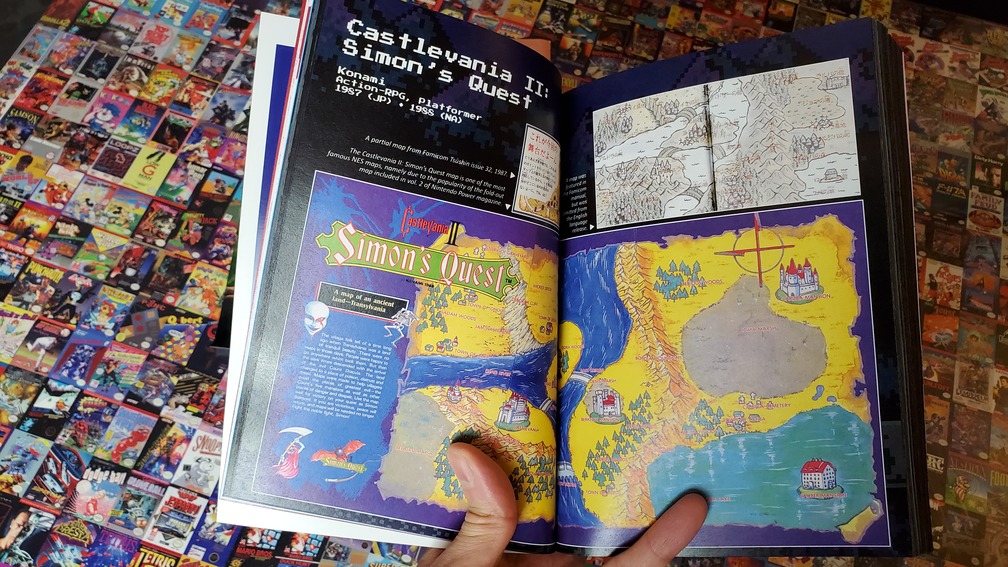
La mappa più influente per me è quella di Castlevania II: Simon’s Quest. Il gioco non aveva una mappa in-game. (Il manuale giapponese sì, ma quello occidentale no.) Tuttavia, Nintendo Power forniva una mappa pieghevole con una disposizione originale che si collegava bene alla navigazione nel gioco. All’inizio era confusa, ma in realtà era perfettamente logica.
I tuoi libri non si limitano a riprodurre le mappe: c’è una chiara cura estetica nella presentazione. Quanto conta per te l’aspetto visivo?
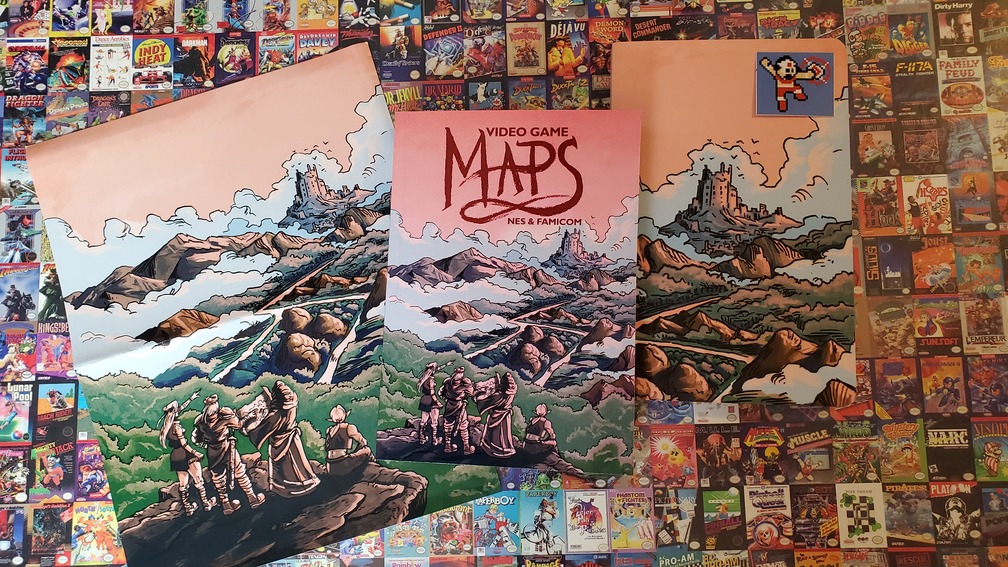
Dico spesso che questi non sono libri-guida: la serie Video Game Maps è una raccolta curata presentata in modo artistico. Il layout dev’essere armonioso, coerente nel look e nel feeling.
La presentazione è fondamentale. Prima di tutto: è funzionale? Capisco dove sono e dove devo andare? Gli oggetti hanno senso? C’è abbastanza mistero da farmi sentire gratificato quando scopro nuove aree? La mappa restituisce bene la scala del mondo? Le immagini aggiungono dettagli che il gioco non può mostrare?
I progetti di retrogamebooks.com sembrano colpire sia i fan nostalgici che le nuove generazioni. Ti rivolgi intenzionalmente a un pubblico giovane, o è solo una conseguenza della qualità del tuo lavoro?
I nostri libri sono per tutti: dal gamer nostalgico che vuole rivivere il passato, al giovane curioso del mondo retro.
Guardando al futuro: hai già in programma nuovi volumi o espansioni della serie Video Game Maps? Ti piacerebbe esplorare altre epoche o media, come i giochi da sala o i PC vintage?
Assolutamente sì. Abbiamo tanti progetti in cantiere. Video Game Maps: SNES è una serie in tre volumi e il terzo orami uscito; stiamo anche preparando una versione N64 e vogliamo tornare sul NES per creare una versione deluxe.
Ci sono inoltre due libri fantastici completati, uno dei quali scritto da Nadia Oxford, collaboratrice di Retronauts e co-conduttrice del podcast Axe of the Blood God.
E abbiamo anche idee molto divertenti… ma quelle per ora restano top secret.
Da appassionato di giochi retro e pixel art: secondo te, qual è la mappa più iconica di tutti i tempi?
Probabilmente il titolo spetta a The Legend of Zelda: A Link to the Past. Forse è per questo che gli abbiamo dedicato ben 30 pagine in Video Game Maps: SNES – Volume 2.
Una domanda personale: se potessi vivere dentro una delle mappe che hai ricreato, quale sceglieresti e perché?
Per quanto belle, la maggior parte di queste ambientazioni è piuttosto pericolosa! Ad esempio, vivrei volentieri nella Spencer Mansion di Resident Evil, purché priva di zombie. O magari visiterei volentieri la Fiera del Millennio di Chrono Trigger.
Conclusione
Brian Riggsbee non è solo un archivista della storia videoludica: è un artista che riporta in vita mondi virtuali che hanno segnato intere generazioni. Il suo lavoro ci ricorda quanto potente e affascinante possa essere il legame tra immaginazione, tecnica e nostalgia. Il suo viaggio tra le mappe dei videogiochi è una porta aperta su un passato che parla ancora al presente — pixel dopo pixel.
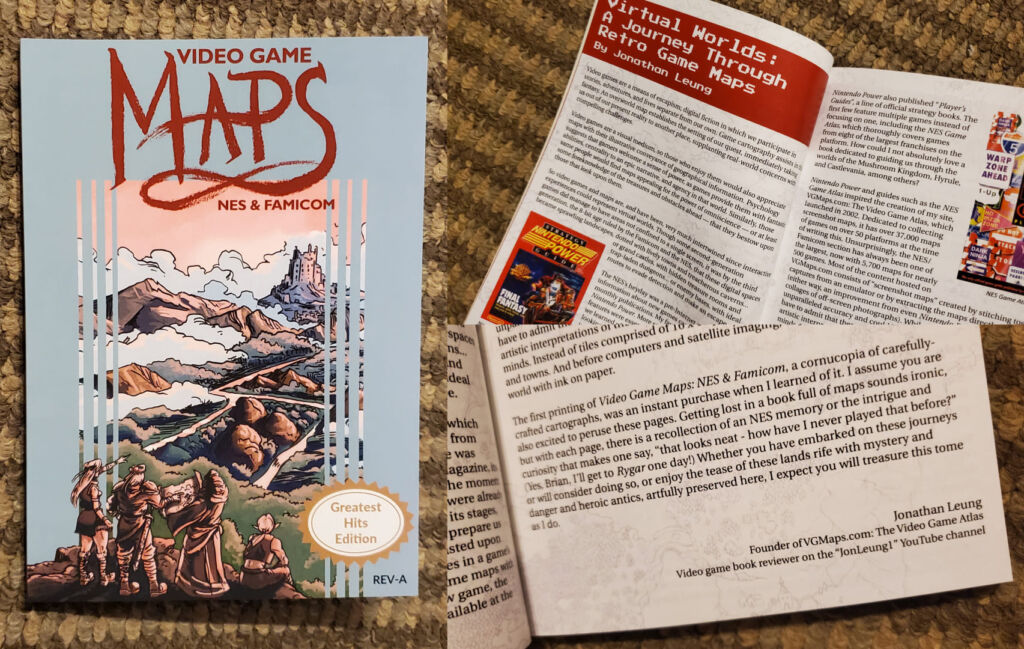
Interview with Brian Riggsbee, author of Video Game Maps
In the world of retro gaming, every pixel tells a story. But few have captured this magic like Brian Riggsbee, author of the Video Game Maps project. Through his books, Brian celebrates the hidden beauty of digital maps, turning them into true works of art to be explored. Today, we have the pleasure of speaking with him about his journey, his creative process, and the passion that drives his work.
Let’s start from the beginning: how did your love for retro games and maps first start? Was there a specific moment that inspired you to begin this project?
My first exposure to gaming was in the arcades and Atari home consoles, when I was about four or five years old. I was intrigued, but not yet hooked. Fast forward to when the NES was released and that marks the true beginning of my foray into video games. I’ll never forget the first time I played Super Mario Bros. and subsequent titles such as Mega Man 2, Castlevania, Rygar, Bionic Commando, and Dragon Warrior, all of which I still revisit from time to time.
As for maps, The Legend of Zelda was the first truly influential “map based” game that I experienced. The game included a partially filled fold out map, with enough of the fog of war revealed to get you through the first few levels. Whereas the in-game map was a simple gray rectangle, devoid of detail, with a colored pixel to represent your hero’s location. I remember playing with a friend once and marking the CRT screen with a marker to pinpoint locations of interest, which was — of course — a suboptimal technique since the dot of the marker would shift depending on what angle you looked at the screen.
I had a similar experience with Metroid. My neighbor and I would take turns passing the control back and forth. Whoever wasn’t playing was in charge of map making and note taking, ensuring we both had active and valuable roles.
There’s a special kind of joy in hand-drawing maps for games, which is a nearly lost artform. While I enjoy the convenience and level of detail that auto-mapping in modern games provide, I also miss the days of sitting in front of grid paper — a friend by my side — joyfully struggling to make sense of a complicated and foreign world. Recently, I played a modern NES game titled Full Quiet and I hand-drew a map — it was so much fun!
As for what inspired me to start these projects, it was a longing to return to creating for gaming in some capacity. I was a video game developer for many years and missed working on games. But instead of diving back directly into that world I decided to challenge myself with a new venture, which is when I wrote The Complete History of Rygar.
Your books show an incredible attention to detail. How do you approach the map creation process? Do you start from existing images, gameplay, promotional materials from the era?
With the Video Game Maps series everything starts with research. As much as I’d like to include all of the most popular games, some of them are very “map light” making them weak candidates for the series. Images are sourced from international magazines, instruction manuals, posters, advertisements, guide books, modern artists, and more.
The other books are handled differently, since those range from history to novelties. For example, The Complete History of Rygar is a historical artifact presented in an 80s/90s magazine aesthetic. NES Achievements is a fun book that encourages people to revisit NES games and challenge themselves to a set of unique goals. And the Retro Gaming Coloring Book is, well, a coloring book.
Working with vintage games must come with its challenges. Which game or map was the hardest to reconstruct, and why?
There are some rare materials that are difficult to get your hands on, or quite expensive. Thankfully there are archivists out there — like Melora from History of Hyrule — that I have collaborated with to help bolster certain sections of the books.
As for reconstruction, sometimes I opt to leave images tattered (e.g. torn edges and scribbled notes from long ago) as that can add to the visual experience. Whereas other times I will work to painstakingly retouch and clean images.
Your projects also show great respect for the history of video games. How do you choose which titles to include? Is it based on personal taste, historical relevance, or something else?
When it comes to the Video Game Map series, I want there to be a healthy blend of popular games, rarities, and Japanese exclusives. The ones that excite me the most are those with fold-out poster maps and those that have incredible hand-drawn art, as seen in Japanese strategy guides and magazines.
As for the other books I have designed and produced, I lean towards subjects that haven’t quite been tapped into yet. For example, The Complete History of Rygar covers every game in the Rygar series — it’s a niche series that no one had covered. Whereas with Pixel Art: Metroid you have a popular series with a twist: pixel art from 125 modern artists, plus interviews, pixel art tutorials, and articles.
With any of the books I either personally design or green light, I always make sure they meet two standards:
- It has to be something I’d personally put up on my bookshelf, and
- It has to be a topic that hasn’t been fleshed out yet.
People often underestimate how much map design influences the player’s experience. In your view, what makes a game map truly memorable?
Video game maps are so many things: They are tools, world builders, story enhancers, secret revealers, and provide a sense of scale and things to come. At their basic level, they provide the player with a method to track and advance their progress. On a deeper level, they bestow a sense of awe (“I’m really going to go to the top of that mountain?!”) and they work hand and hand with the narrative (“The Light World and Dark World are connected!”).
The most memorable maps, for me, are those that neatly combine those elements. For example, the dual worlds of The Legend of Zelda: A Link to the Past represent some of the most beautiful art in gaming history while also acting as a function of the connecting world game mechanics.
The most influential map in my gaming history is from Castlevania II: Simon’s Quest. This game did not contain an in-game map. (The Japanese manual did, but the western version did not.) However, Nintendo Power provided a fold-out world map with a unique layout that connected to the in-game navigation in an interesting way. In game, the player moves left or right with an occasional branching fork in the road that sends the player up or down (plus, the occasional ferry ride that takes Simon to different locations). Matching this style of side-scrolling movement to a traditional “spread out” map was confusing at first (especially as a young boy), but it actually aligned in a logical way.
Your books aren’t just about simple reproduction: there’s a clear effort in selecting and enhancing the visual presentation. How important is the aesthetic side of map presentation to you?
I often tell people that these are not guide books; The Video Game Maps series is a curated collection presented in an artist way. The flow of a layout is important, which means there has to be a level of harmony in the look and feel.
As for game maps, the presentation matters greatly. First and foremost, is it functional? In other words, do I know where I am and where I’m going? Do the objects in the image make sense? Is there enough mystery such that I will feel rewarded when I discover new areas? Does the map give a strong sense of scale? Does the imagery in the map enhance the experience by providing a level of detail that the game cannot?
The projects on retrogamebooks.com seem to resonate not only with nostalgic fans but also with new generations. Do you intentionally aim to reach younger audiences, or is that a byproduct of the quality of your work?
Our books are for everyone, from the nostalgic gamer looking to revisit the past to the young gamer intrigued by retro gaming.
Looking ahead: do you already have plans for new volumes or expansions for the Video Game Maps series? Would you like to explore other eras or perhaps other media, like arcade games or vintage PC games?
Absolutely. We have a lot of exciting projects in the pipeline. Video Game Maps: SNES is a three-volume series now published; we are also planning to release an N64 version and revisit the NES to design a deluxe version.
There are also two fantastic books that have been completed, one of which was written by Nadia Oxford, a contributor to Retronauts and co-host of the podcast *Axe of the Blood God*.
Beyond that we have some really fun ideas, but I won’t spoil those just yet.
As a fan of retro games and pixel art: in your opinion, which game map is the most iconic of all time?
That title probably belongs to The Legend of Zelda: A Link to the Past. Perhaps that’s why it received a 30-page spread in Video Game Maps: SNES – Volume 2.
Finally, a personal question: if you could live inside one of the maps you recreated, which one would you choose and why?
As beautiful as some of these worlds are, most of them are quite dangerous! For example, I wouldn’t mind living in the Spencer mansion from the original Resident Evil if it was zombie-free. I also wouldn’t mind visiting the millennial fair from Chrono Trigger.
Conclusion
Brian Riggsbee is not just an archivist of gaming history: he’s an artist who brings virtual worlds back to life, worlds that have marked entire generations. Through his work, he reminds us how powerful and fascinating the connection between imagination, technique, and nostalgia can be. His journey through video game maps is an open doorway to a past that still speaks to the present — pixel by pixel.

